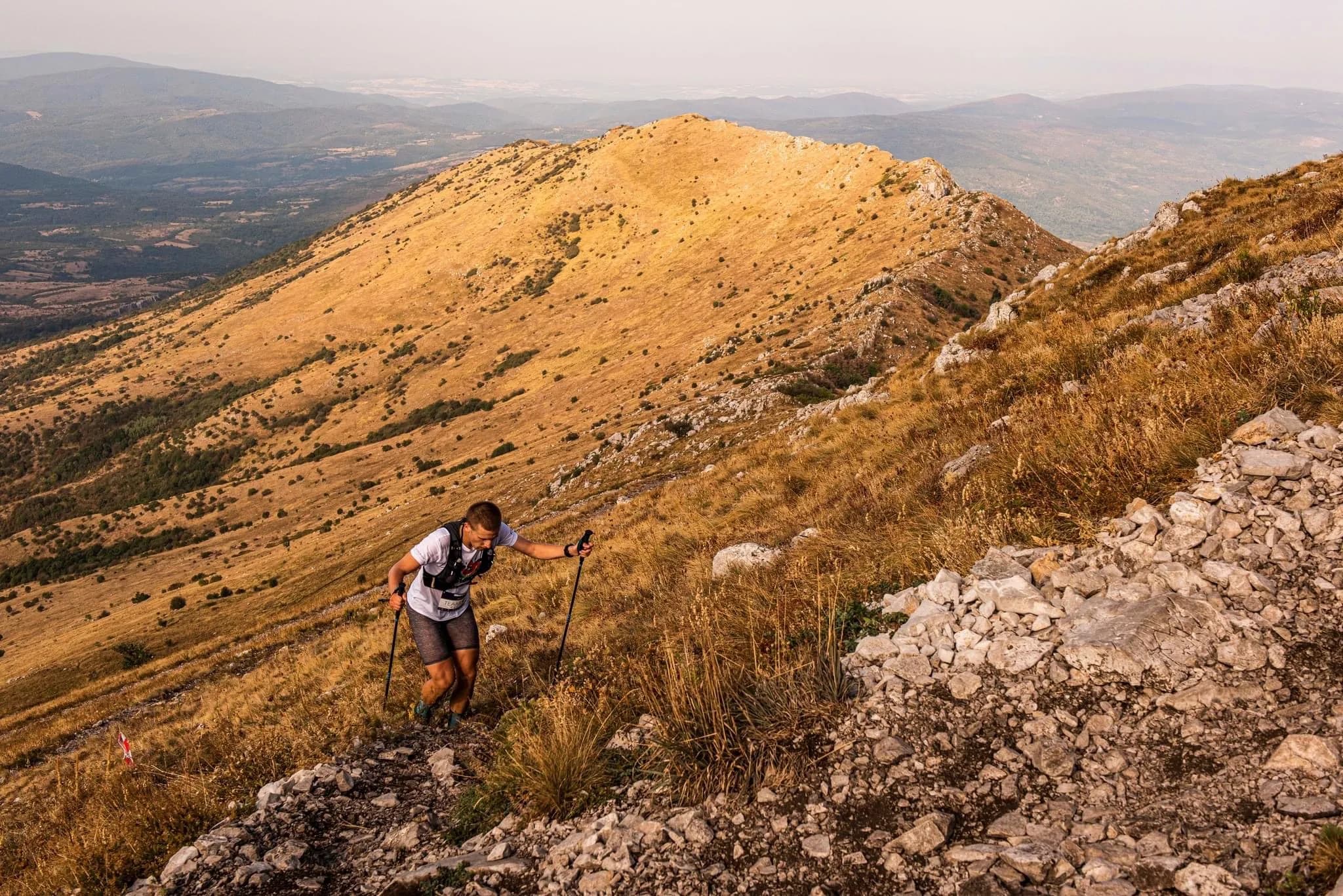
The climb splits the field, but the ridge makes the difference. Here you see who arrived fresh and who spent everything down in the valley.
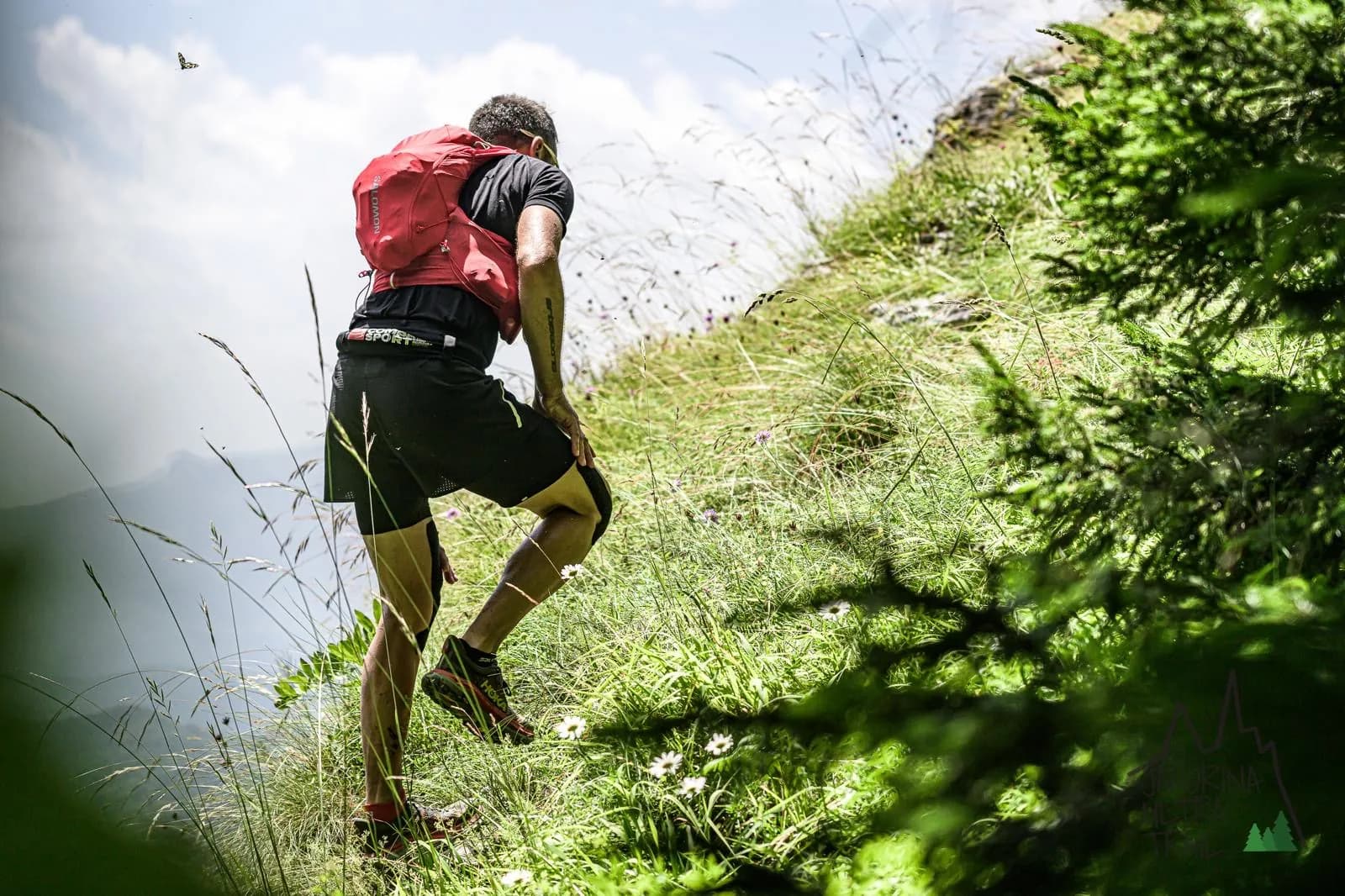
The ridge is open, exposed to sun and wind, with a surface alternating between grass and rock. Stride rhythm has to keep changing, and that costs more than a steady climb.
Why a changing rhythm costs more than a constant one
The body works most efficiently when it repeats the same movement. Every change in stride length, foot angle and knee lift demands a fresh adjustment, and adjustment is paid for in oxygen. On a ridge where grass alternates with rock every twenty metres, there are hundreds of those adjustments.
That is why good trail runners on this ground watch smoothness rather than speed. The aim is to pass through the changes of surface without sharp braking and re-acceleration — because every braking means the acceleration has to be bought again.
In practice: you choose the most even line, even when it is not the shortest. Two metres sideways onto flatter grass is worth more than a short cut across loose rock.
Look ahead, not at your feet
A technical point that holds anywhere: look three or four steps ahead, not at your feet. A runner watching the ground cannot see the line and spends energy correcting. The eye should work as a scout — preparing the next three footfalls while the foot deals with the current one.
This is a skill, and it is learned slowly. At first it feels dangerous; after a few outings the brain starts remembering where the holes were and the body avoids them without a conscious decision. A runner who masters it suddenly runs faster without a single extra heartbeat.
On the descent the same rule matters even more, because the speed is higher and the time to decide is shorter. Anyone watching their feet downhill will brake — and braking downhill is the fastest way to spend your quadriceps for the rest of the day.
Wind, sun and exposure
An open ridge has nowhere to hide you. The sun lands directly, and a wind that did not exist in the valley can be constant up top. Both cost: the sun raises body temperature, the wind cools and dries, and together they create a situation where fluid is lost faster than thirst is felt.
Wind also distorts the sense of temperature. On a clear day the ridge can feel pleasant while running and cold the moment you stop. A thin windproof that fits in a pocket is the difference between a five-minute break and half an hour of shivering.
Visibility is the other half of the story. Fog arrives quickly on a ridge and erases landmarks, and a ridge without landmarks looks like itself in every direction. A charged phone, a downloaded map, and the basic rule that in fog you go back the way you know rather than forward the way you do not.
Wild horses and the other residents
Horses have roamed free on the plateaus of Stolovi for decades. A runner meets them more often than expected. The rule is simple: do not approach, do not run through the herd, and above all do not pass between a mare and a foal. You go around in a wide arc, at a walk.
The same applies to the livestock guardian dogs. They are not attacking a person, they are defending a flock — a runner who slows, stops and walks calmly around the side resolves it in half a minute. A runner who speeds up turns himself into something worth chasing.
The first stage sets the tone
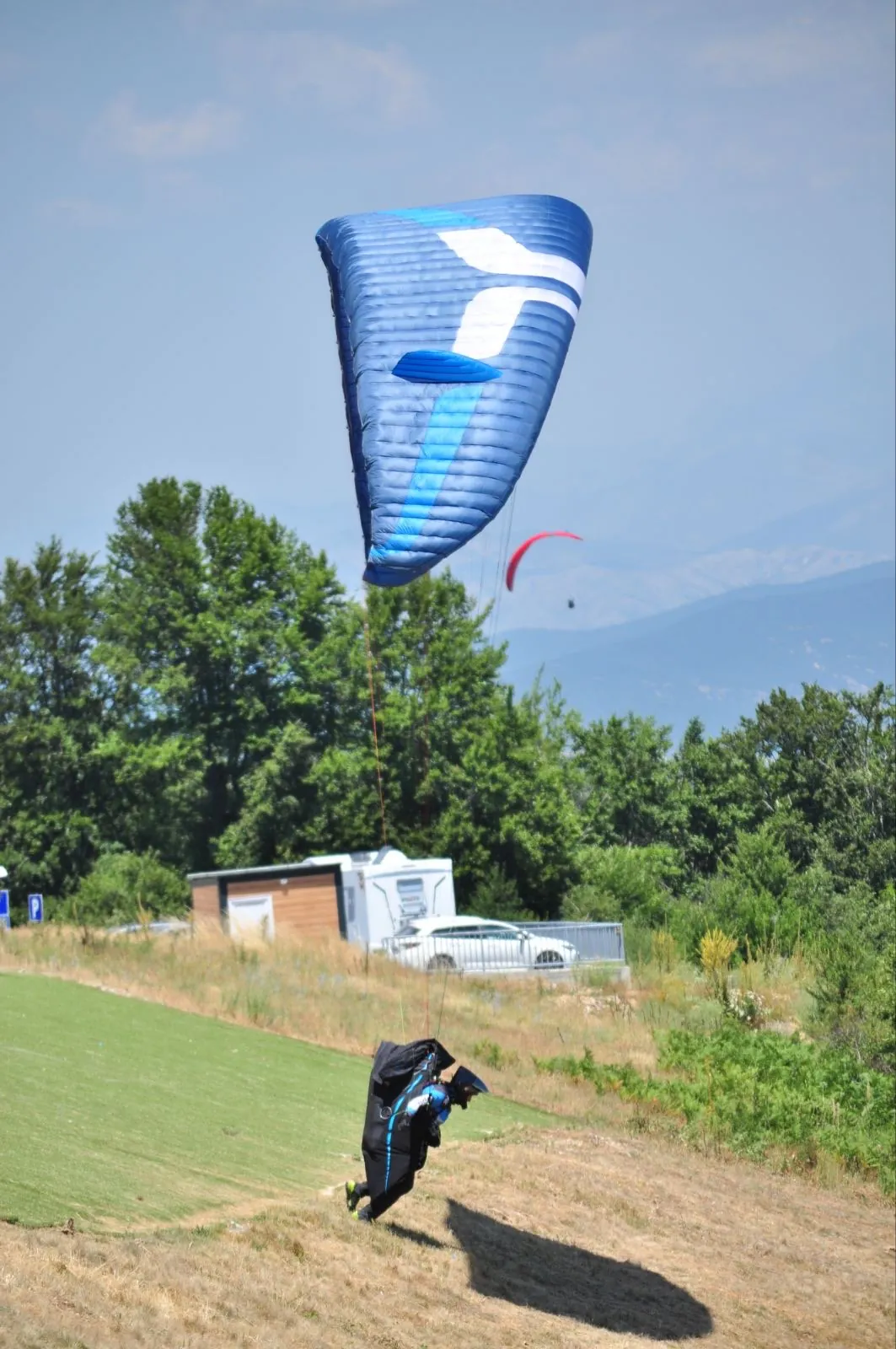
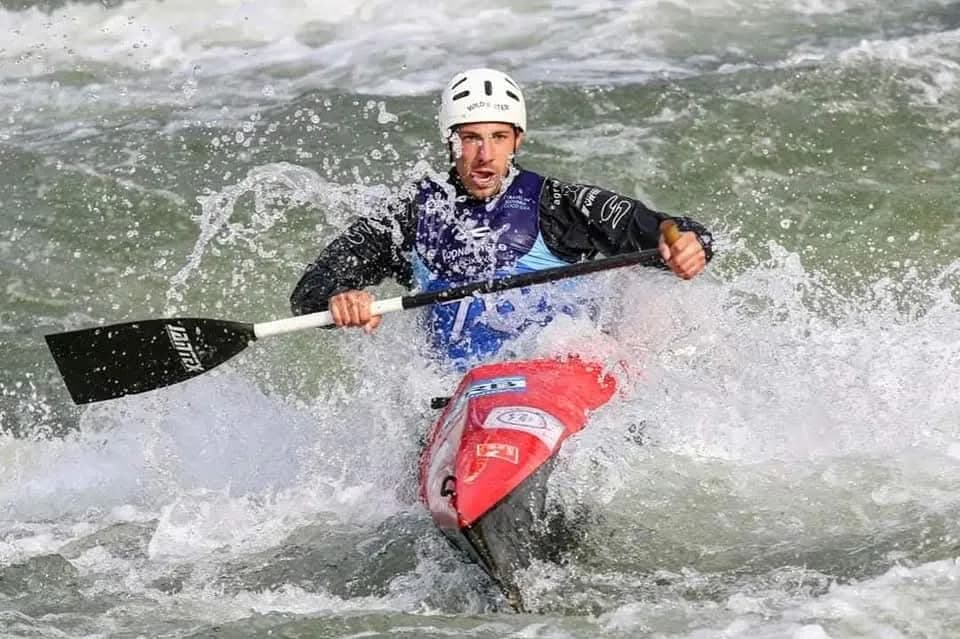
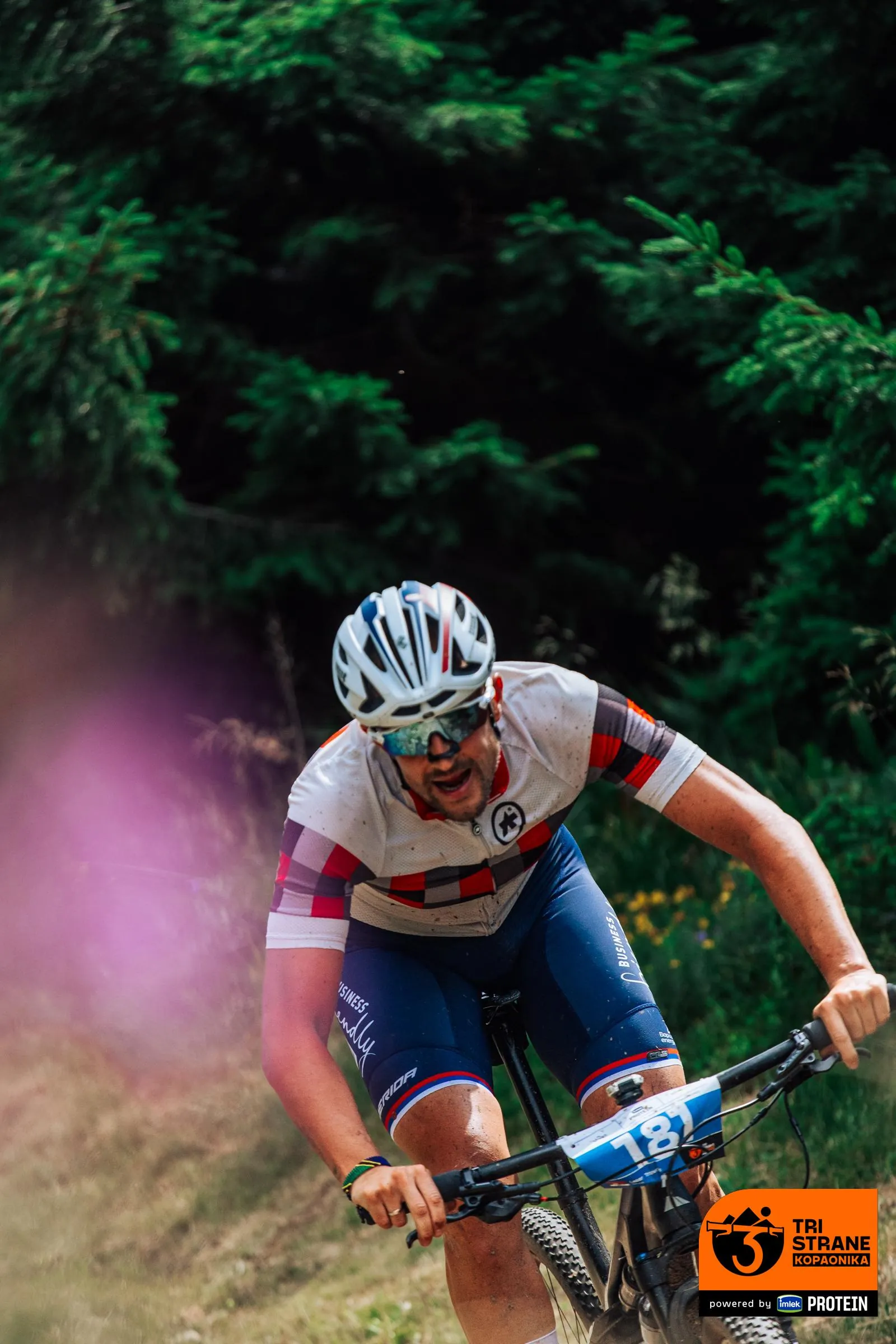
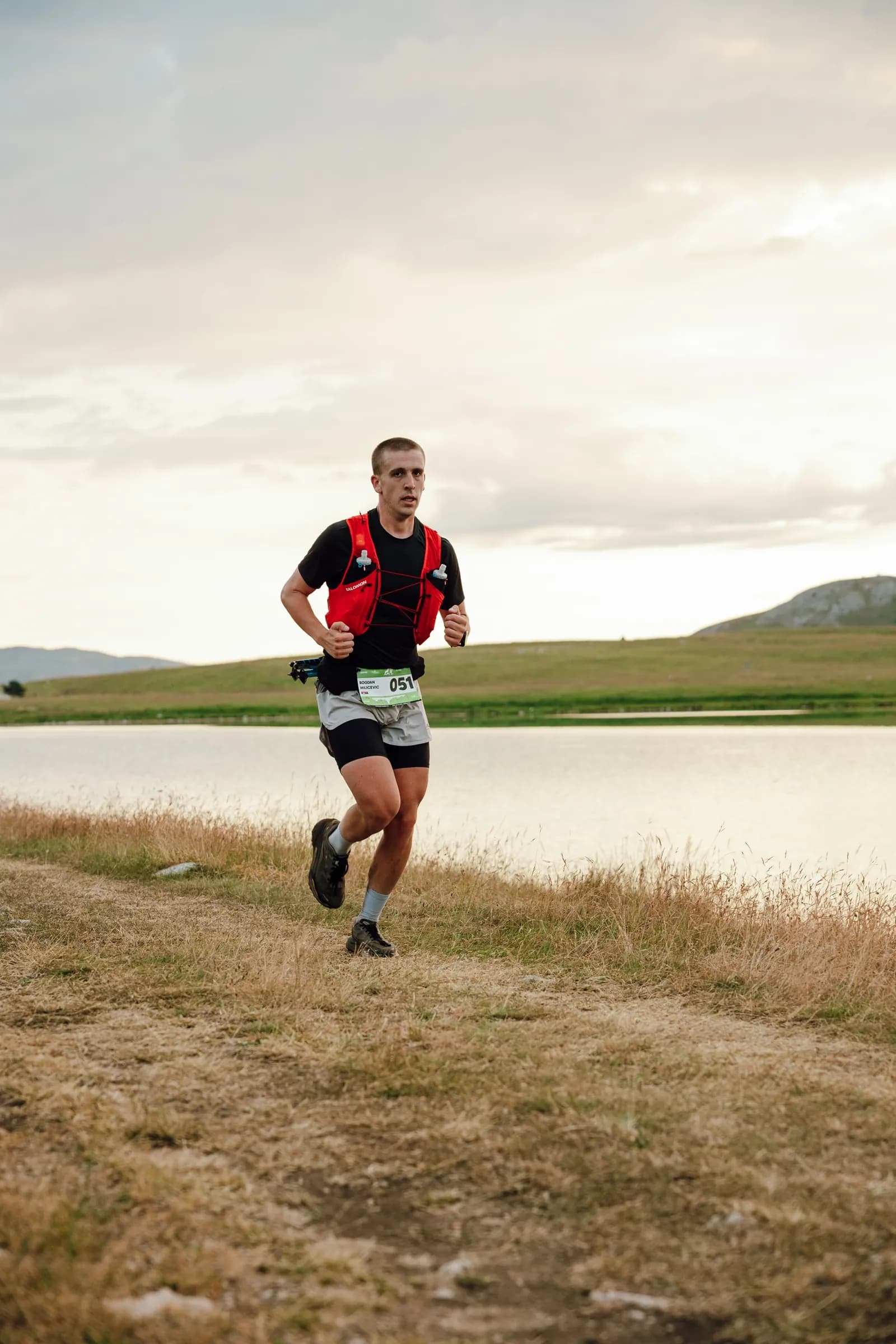
For 4 Elements this is the first stage and it sets the tone for the whole team. A team that overestimates itself here pays for it in the air first, and then on the bike and on the water.
From experience in team races with successive disciplines, the mistake is almost never made at the end but at the beginning. A runner who started five per cent too fast does not lose five per cent of the time; he loses far more, and he loses it on other people’s stages.
Official courses, elevation profiles and changeover points will be published once confirmed. Until then this is a description of the terrain, not of the course.