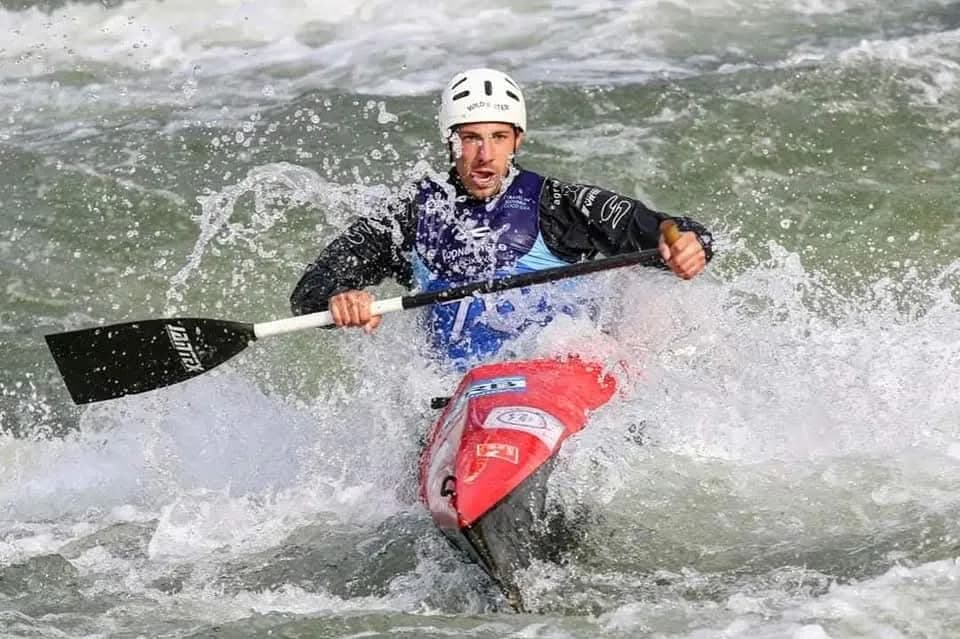
Rivers that are too calm teach nothing. Rivers that are too strong give no second chance. The Ibar sits between the two, and that is why paddlers come out of Kraljevo.
The Ibar changes character every few kilometres. There are stretches where the paddle only holds your line, and places where two strokes decide whether you pass clean or swim. That alternation is the best training there is.
A river that keeps changing the task
Water that is always the same teaches one thing and then stops teaching. A river that changes forces the paddler to reassess every few minutes: how fast is the current, where is the main flow, what is happening behind that rock you cannot see all of.
That constant assessment is what separates a paddler from someone who merely paddles well. Strength is gained in a season; reading water takes several.
For a beginner it is an advantage they do not recognise at first. A river that forgives mistakes without hiding them gives feedback immediately and painlessly — and that is the fastest way to learn anything.
What you actually read on the water
Three things, in order. First, where the water accelerates — that is the deepest and cleanest passage, and as a rule the safest line. Second, where the water runs back upstream: a hole behind an obstacle looks harmless from the bank and holds a boat in place. Third, where the water suddenly stops being visible — that is a drop, and that is where you stop and look from the bank.
The surface is a map of the bottom. A smooth bulge means rock just below the surface. A wave that stays in one place means something is under it. Foam means air in the water, and aerated water carries a boat less well and grips a blade less well.
The most useful habit is looking far ahead. A paddler watching the bow reacts to what has already arrived. A paddler looking twenty metres ahead chooses the line while there is still time to choose it.
Power is not enough
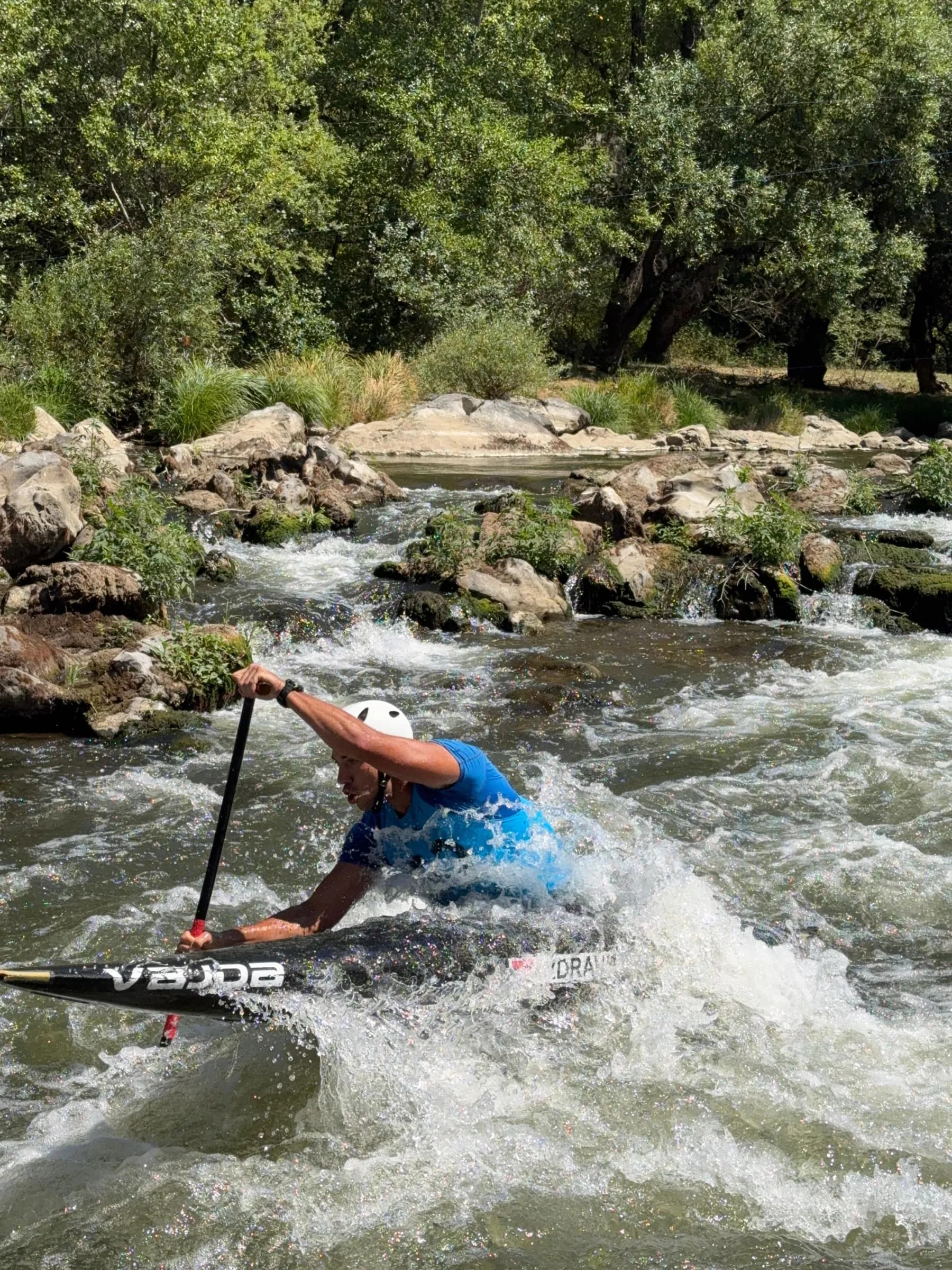
For a 4 Elements competitor it means one thing: power is not enough. A section is not forced, it is read — where the water accelerates, where it forms a hole, which line looks longer and turns out faster.
Technically, most of the speed comes from the trunk, not the arms. A stroke driven only from the shoulder spends a small muscle and leaves a large one unused. Trunk rotation, feet braced against the footrest, arms as the link — that is the order.
In a tired paddler technique fails before strength does. That is why on a long stretch you deliberately break the rhythm: a few easy strokes to remind the body of the shape, then back to tempo.
Water level changes the river, not just the depth
Water levels shift through the year and rise quickly after rain. What is a manageable stretch in August is a different river in April. So the judgement is made on race day, not from last season’s memory.
A high level covers the rocks and feels easier — and is in fact more dangerous, because the speed is higher, the reaction time shorter, and the obstacles you cannot see are still there. A low level exposes rock and creates narrow passages that demand precision.
Heavy rain also changes what the river contains: drifted branches, a shifted tree trunk, silted water you cannot see the bottom through. The first run after high water is done more carefully, and if possible with someone who has already seen the section.
What stays open
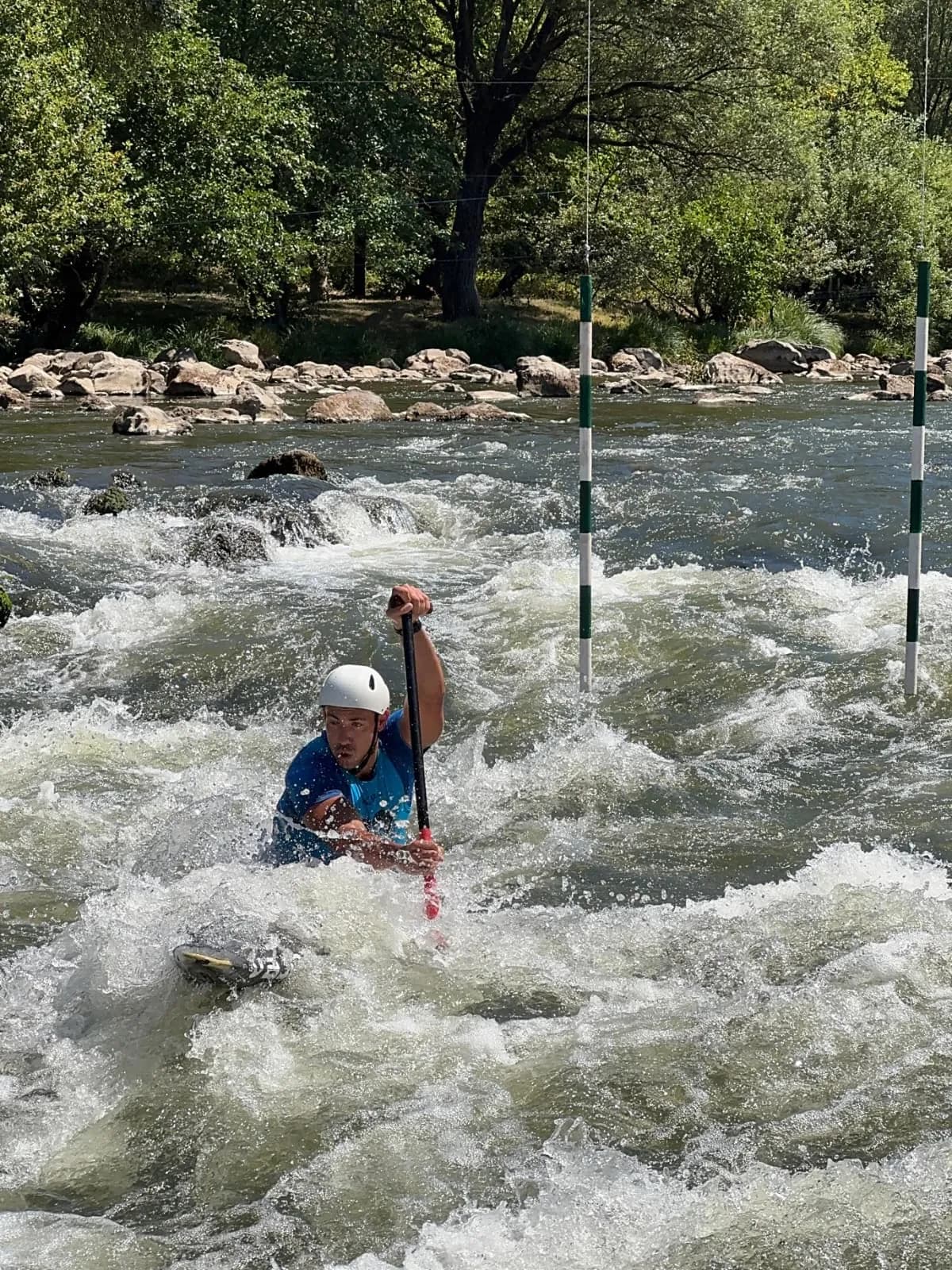
The official section, the entry and exit points and the safety positions will be published once confirmed. Until then this is a description of the river, not of the course.
What is already clear is that the kayak stage will not be an add-on. The river does not negotiate with a tired team, and that is why the last element is planned from the first day of preparation rather than in the last month.