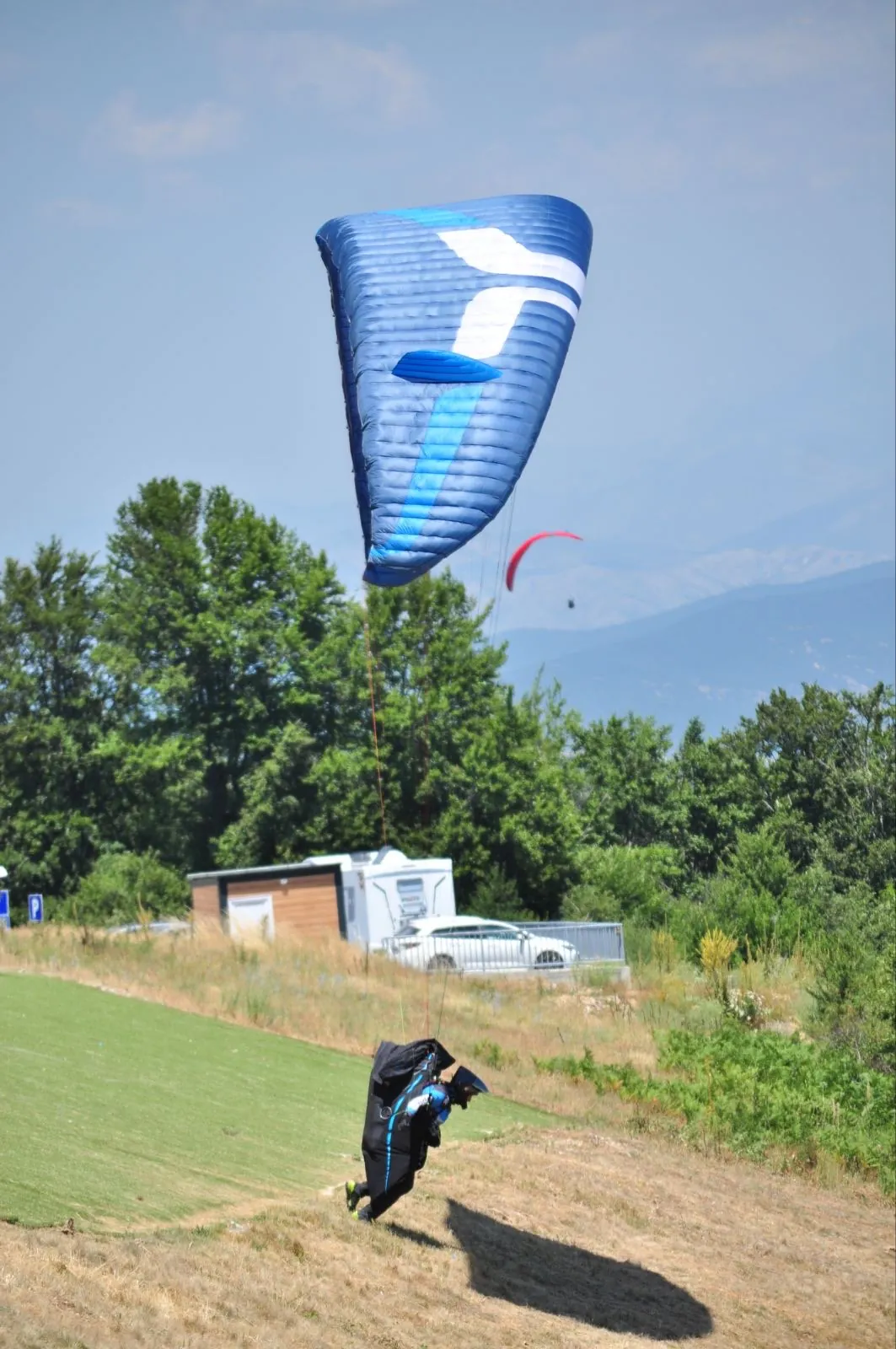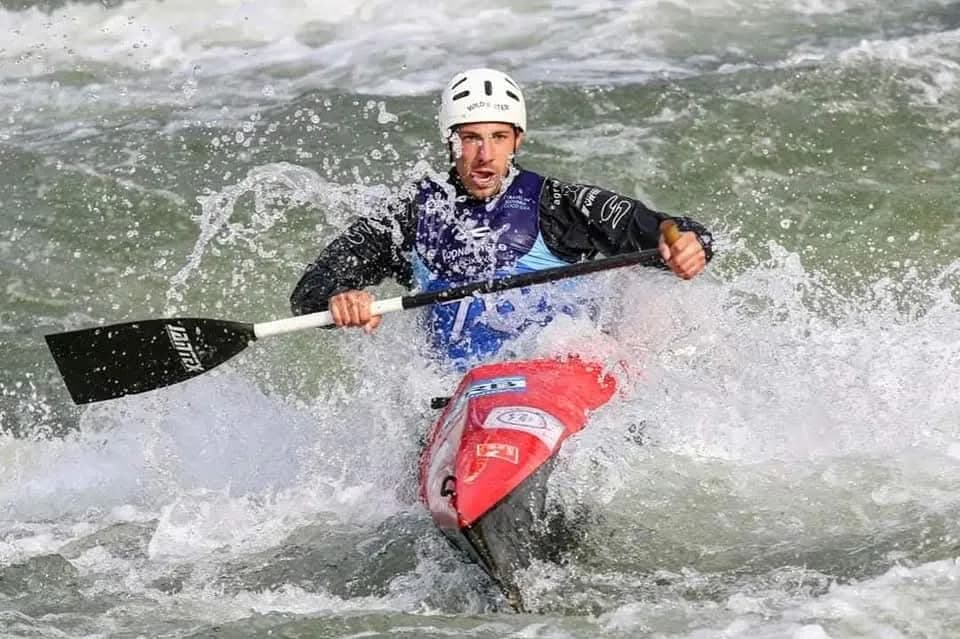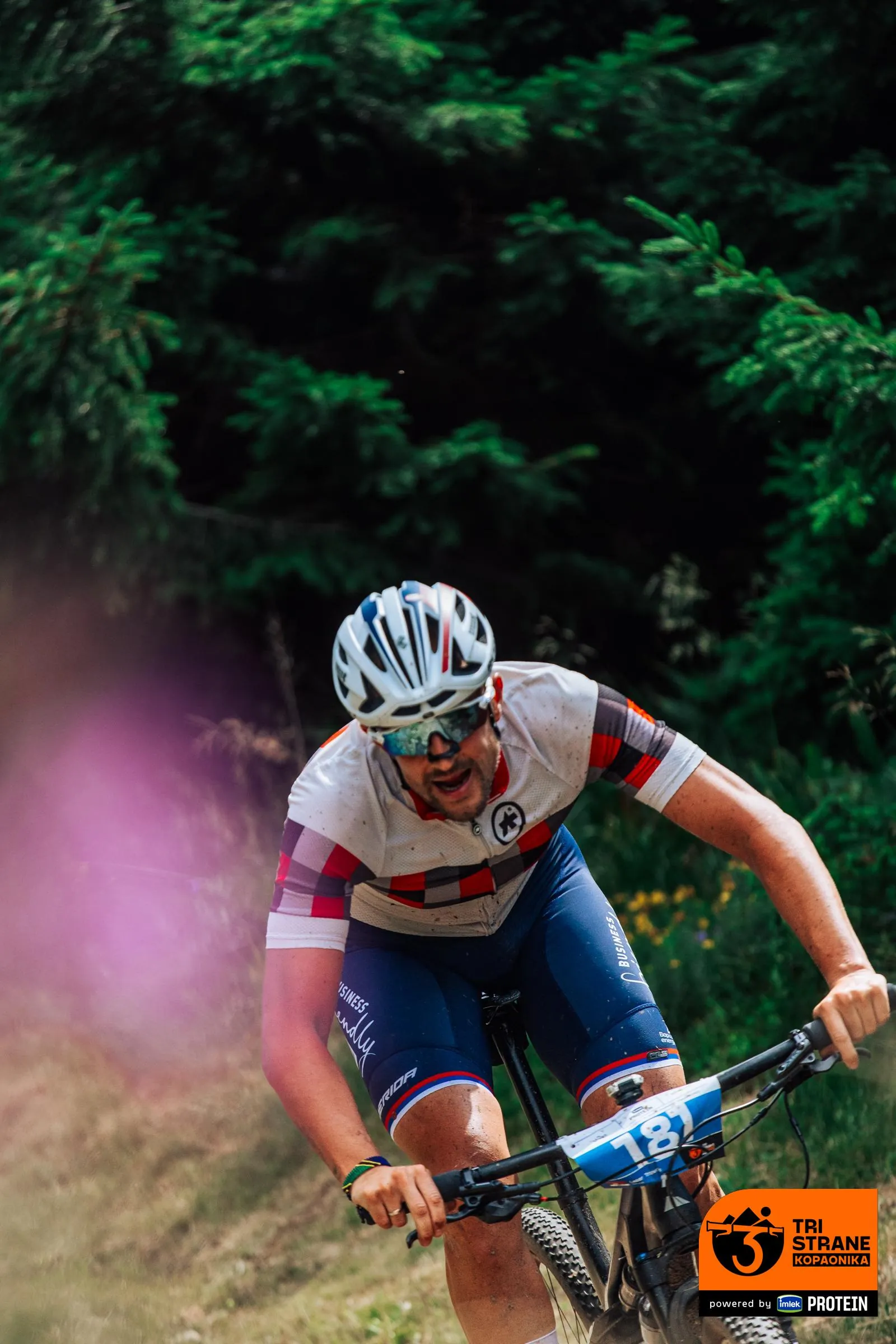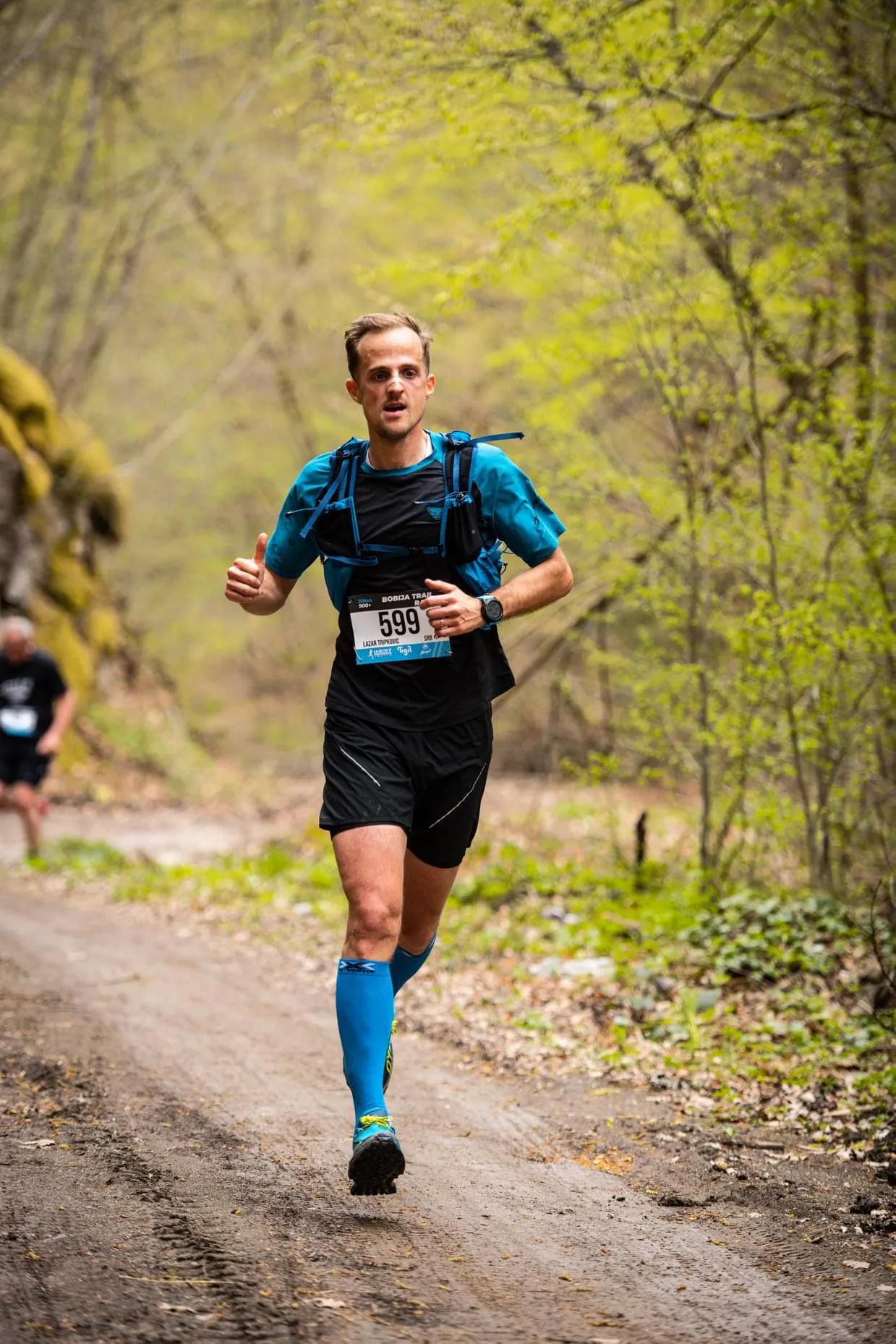
Some terrain sells itself on a viewpoint. Meljanica sells itself on nothing — it simply does what a good trail should.
Soft ground, shade for most of the day, a stream keeping the air fresh, and a climb that arrives gradually instead of all at once. That is the combination that keeps you running longer than planned, and it is the best recommendation a trail can have.
Why soft ground matters more than it looks
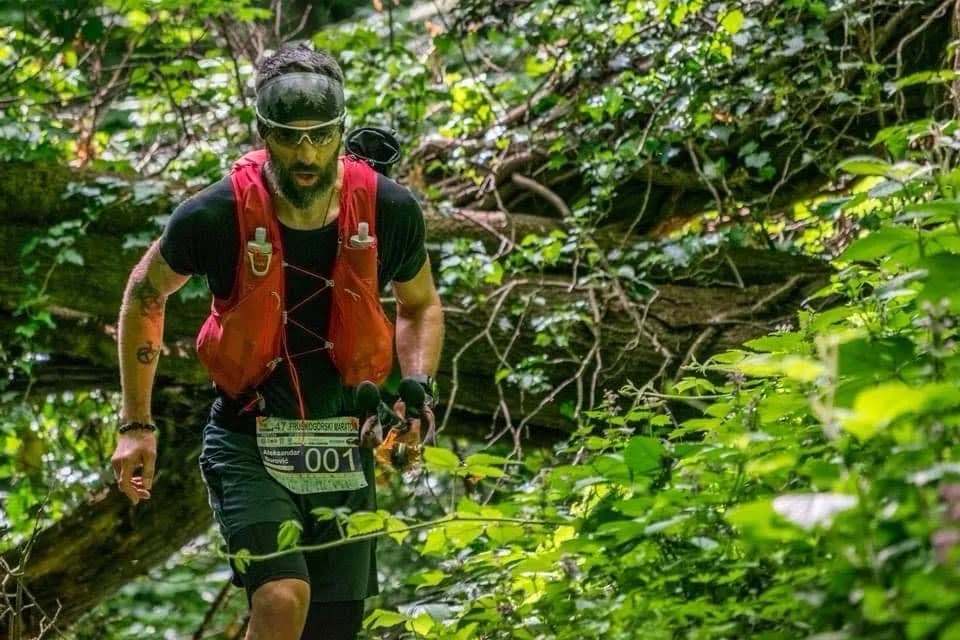
Running on asphalt is an impact load that repeats identically, step after step. Forest ground does the opposite: every footfall is slightly different, so the load spreads across different muscles and tendons instead of landing a thousand times on the same point. That is why an hour on dirt leaves the legs feeling different from an hour on concrete — less blunt, more spread out.
The other side of that same coin is a foot that has to keep adapting. The small stabilisers around the ankle work continuously, and they are the first to give when fatigue accumulates. A sprain in trail running rarely comes from a big hole; it comes from a small unevenness at the moment the foot stopped reacting in time.
The practical consequence: your first outings on soft ground should be shorter than your fitness allows. Heart and lungs are ready long before the tendons are used to it, and that mismatch is the most common reason road runners get hurt on trail.
The trap of pleasant terrain
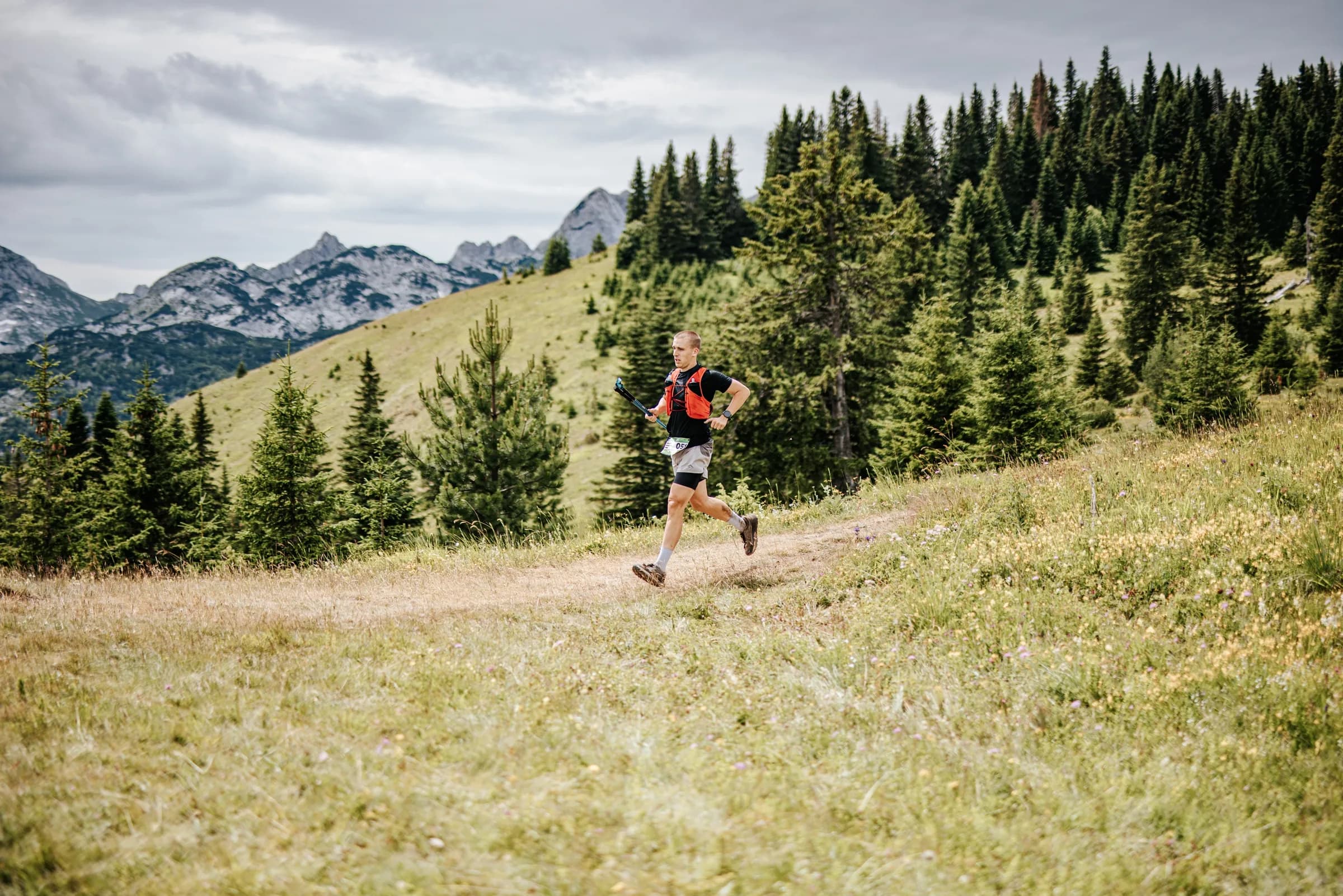
For a 4 Elements runner this terrain is a trap. Precisely because it is pleasant, the pace starts faster than it should, and the bill arrives on the ridge where there is neither shade nor soft ground left. The valley makes it feel easy — there is cover, the earth is quiet underfoot, and the climb rises so gradually the body does not register it as a climb at all.
The only reliable remedy is to measure effort, not pace. On the flat, pace and effort agree; on trail they part company after the first couple of hundred metres of elevation. Run by the watch and you will be too fast in the valley and too slow up top. Run by your breathing — by whether you can say a full sentence without breaking it — and you generally arrive on the ridge in one piece.
On a climb that arrives gradually, the stride rule applies too: a shorter step at a higher cadence costs less than a long step and a push-off. The difference is invisible in the first ten minutes and unmistakable after an hour.
The stream, water, and what you carry
The stream through the valley keeps the air fresh, and in July and August that is a real advantage. But a stream is not a spring. Water that looks clear carries whatever it picked up upstream, and in a valley with livestock, forest roads and visitors that is not negligible. For training you carry water, or you use a filter — you never judge it by eye.
For a longer outing on this kind of ground, half a litre an hour is a practical minimum in moderate weather, and noticeably more in heat. If the plan includes the ridge, you carry water for the whole loop, because there is nothing to refill from up there.
When the trail gets wet
In winter and after rain the surface turns slick and some stream crossings shift. That is normal for a valley of this kind and part of what has to be judged on the day, not remembered from last time. The same crossing that is dry rock in August is rock under a thin film of water in March — and that is the most slippery version there is.
Wet ground changes technique too. The foot lands flatter and under the body, not ahead of it. On the descent you do not brake with the heel; you shorten the stride and let the legs turn over faster. On roots you step across them, not along the edge, and never at an angle.
It is also worth knowing that heavy rain changes what the trail looks like: washed leaves hide holes, and small rivulets cut new channels across the path. The first run after a storm is a slower run, without exception.
What this means for the race
Meljanica is terrain that rewards patience and punishes enthusiasm. In the context of 4 Elements that matters especially, because the trail stage is not the end of the race but its beginning — everything spent here is missing in the air, on the bike and on the water.
Official courses will be published once confirmed, with a date and a version marker. Until then these are general characteristics of the terrain, useful for preparation, but not a hint of where the course will run.