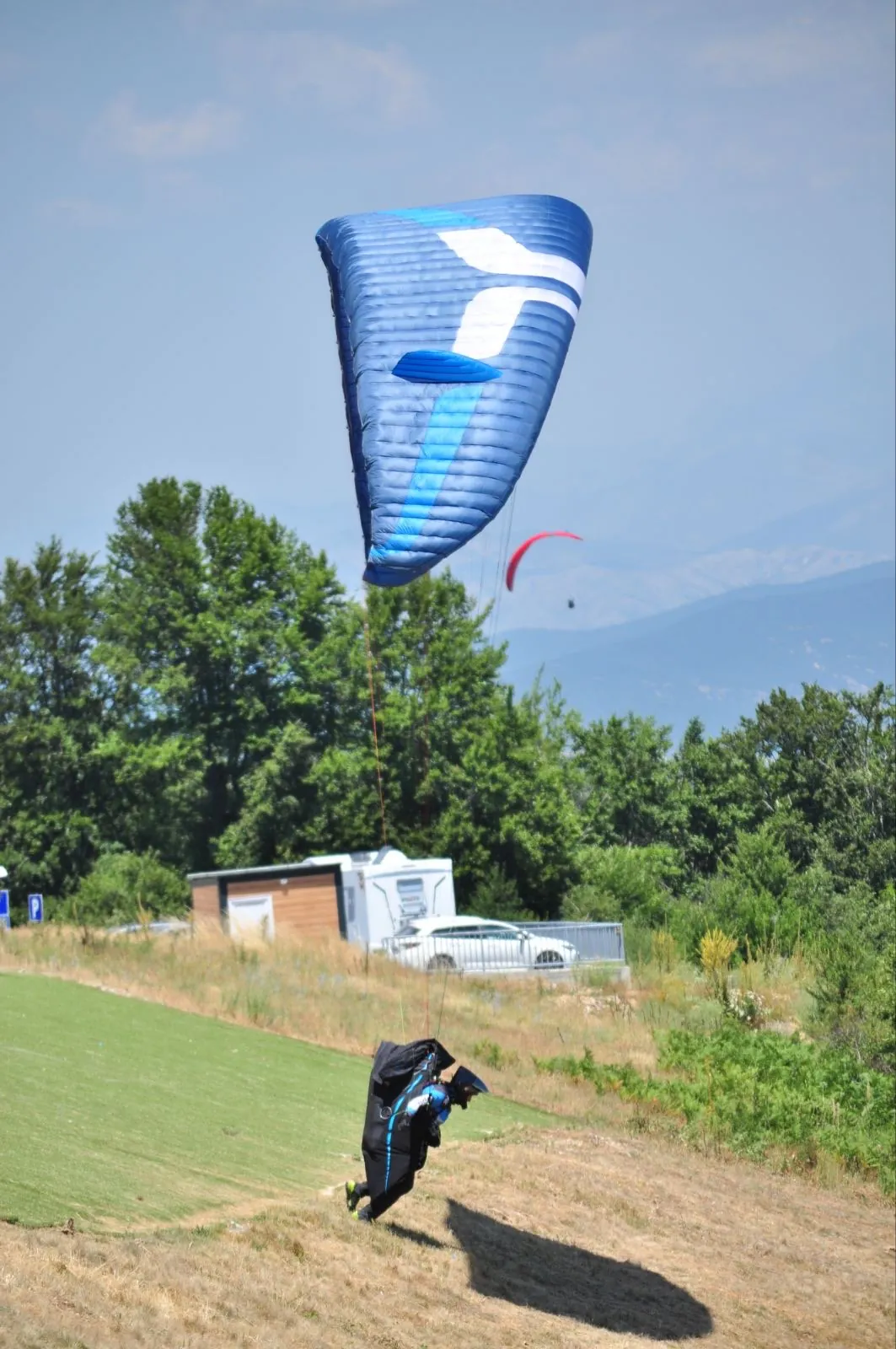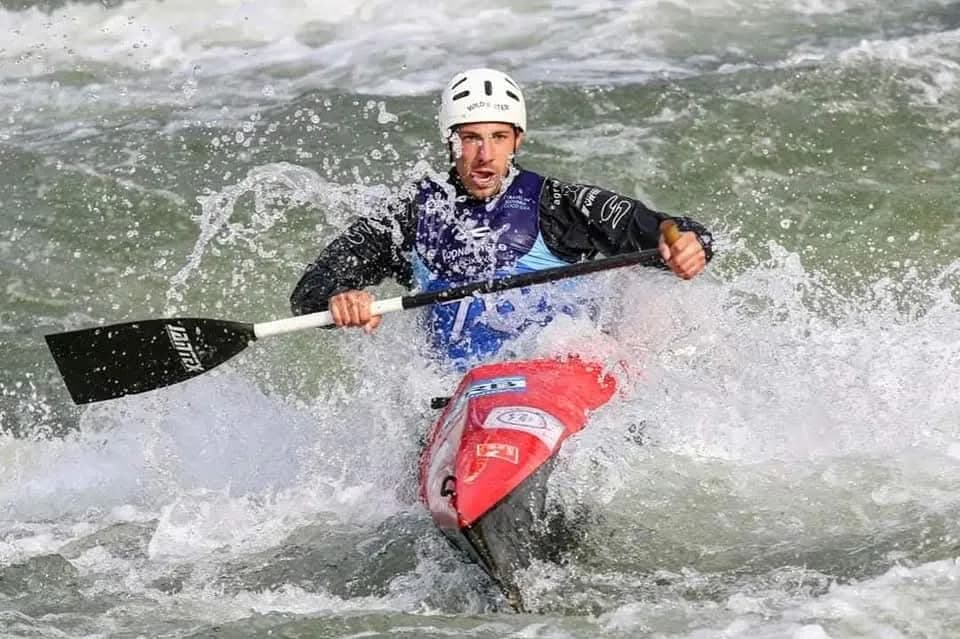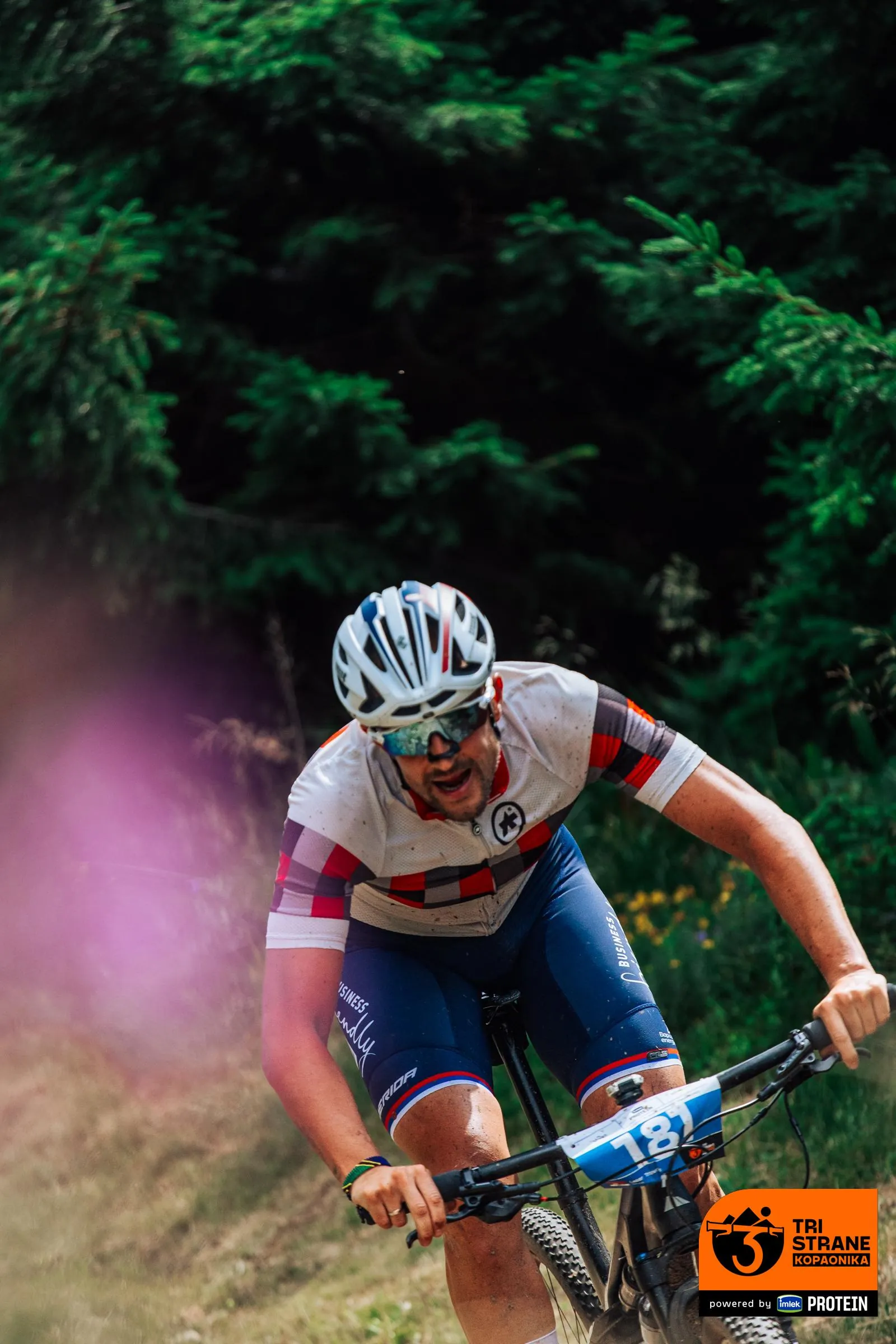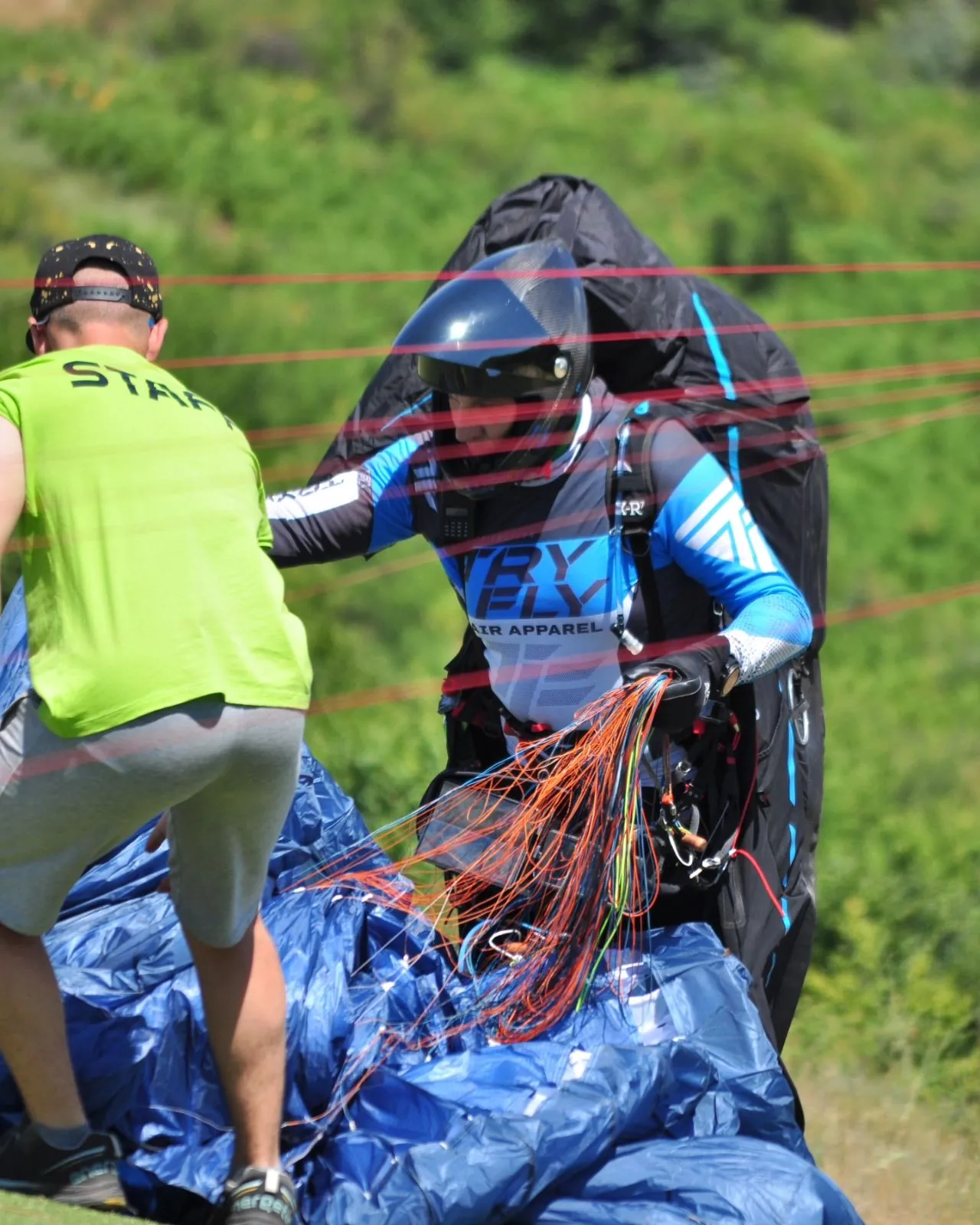
Every scene starts with a few people willing to look ridiculous carrying gear up a hill. In Kraljevo it was no different.
Over the decades a serious number of pilots have come out of this town — among them competitors who wore the national colours. Club life, training new pilots and organising competitions kept the scene alive even when there was neither equipment nor money.
How a scene survives
Sports that depend on expensive equipment survive in small places in one way: somebody lends, somebody drives, somebody keeps the key to the garage and somebody organises the sessions. None of it shows up in results, and without it there are no results.
The second thing that holds a scene together is the people who stay after their own competitive phase. A pilot who stops competing and carries on teaching is worth more to a scene than three new talents.
The third is shared equipment and shared transport to launch. A hill you cannot reach without a car is a hill flown only by those who have a car — and that is where scenes most often fall apart.
What competitive experience in a town means
Competitive paragliding differs from recreational flying the way a race differs from a walk. You learn task planning, risk assessment under time pressure, and flying in a group where other pilots are part of the conditions.
When a town has people with that experience, they pass it on even to those who will never enter a competition. A standard of preparation, the habit of checking the weather from several sources, discipline about the reserve parachute — all of it lowers the accident rate for everyone.
That is also why competition in a sport like this is not the top of the pyramid but its engine.
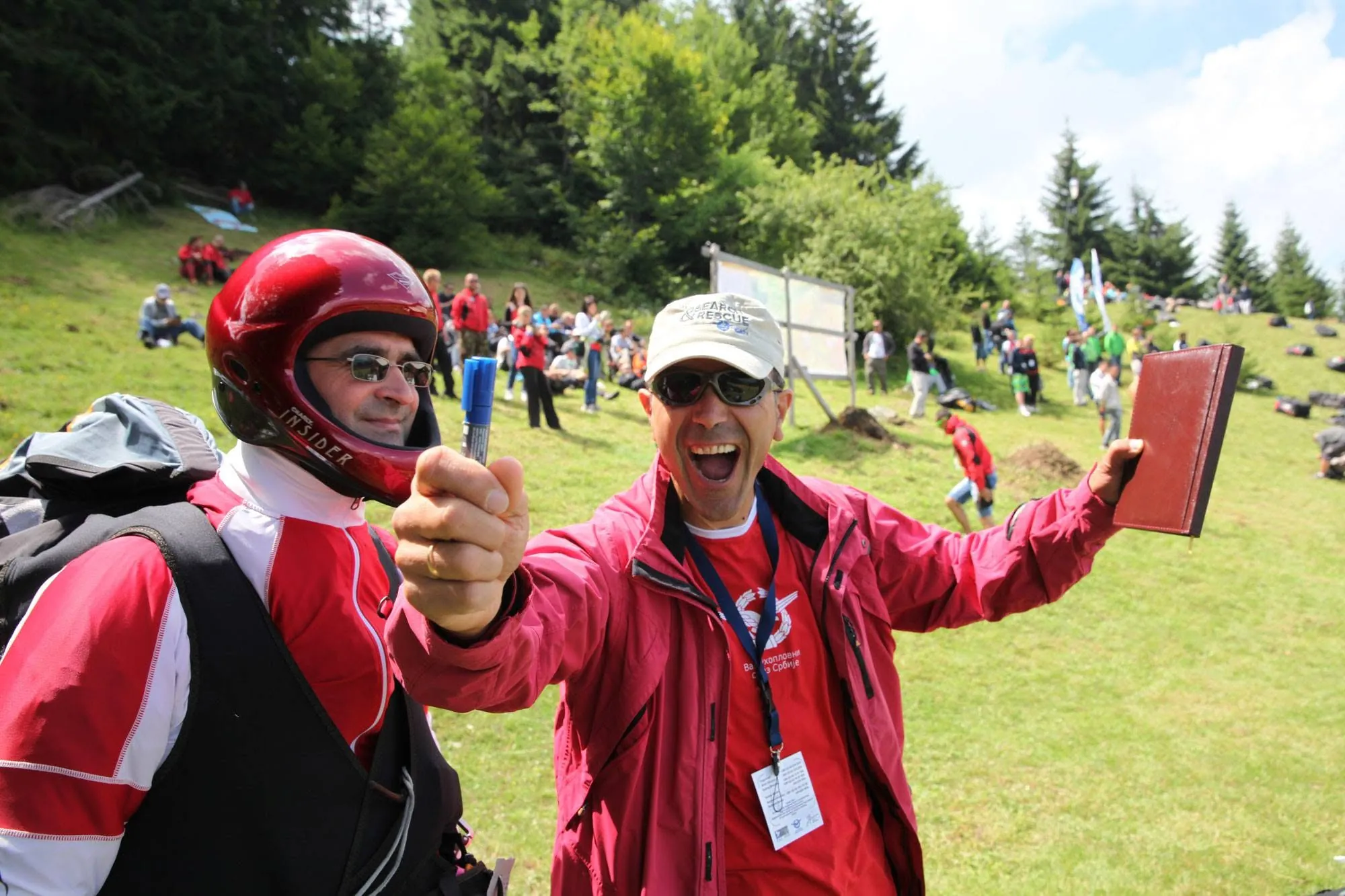
Why it is a precondition for 4 Elements
That inheritance is the reason 4 Elements can have paragliding as an equal discipline rather than an attraction. People who know the terrain also know when not to fly — and that knowledge cannot be bought.
In a race with four disciplines, the air is the only element that can be called off because of weather. That decision is not technical but experiential, and it is made by someone who has seen that ridge in every season.
For that reason the race plan is built with an alternative for every day. A race with nothing to do when the wind turns is not a well-planned race.
How you become a pilot today
Training starts on a gentle slope with the wing on the ground. The first days are not flying but bringing the wing up and setting it down, until the body learns what happens when the wind changes strength. It is the dullest and the most important part, and the one most often skipped.
Then come the low flights, then the first high flight with radio contact, then the thermal course. Independence arrives in one or two seasons, depending on the weather and on how many days a year you actually get to the hill.
What a course does not teach is judgement. That comes from flying with more experienced people and from the habit of reviewing the day after landing, not only before launch. Which is why a scene is worth more than any single school.
Names will come once confirmed
Names of pilots, founders and competitors will be published once the organiser confirms them. We would rather not leave anyone out or get a name wrong — that is the one place where waiting beats guessing.
The same goes for clubs, years and results. Everything written here about the scene is written to be accurate without names; when the details arrive the text will be extended, not rewritten.