A town is usually remembered for the mountain above it. Kraljevo could just as fairly be remembered for the three rivers that make it.
The Ibar arrives from the south through the gorge, the West Morava cuts across the plain, and the Ribnica runs through the town itself. Three flows of different character in a small area — something few towns this size can claim.
Three rivers, three characters
The Ibar is a mountain river and behaves like one: colder, faster, its level depending on what is happening upstream, sometimes a hundred kilometres away. Its gorge is at once a transport corridor and a natural boundary.
The West Morava is wider, slower and warmer. It belongs to the plain and behaves like a lowland river — meanders, sand deposits, banks that shift from year to year.
The Ribnica is the smallest and the most urban. It is what the town sees every day, and it shows fastest what the weather has been doing for the past week.
Three waters meeting in a small area is not merely a geographical curiosity. It is why water sport here could develop in several forms at once.
Where the tradition comes from
Hence the tradition: rowing, river swimming, town pools, and generations of children who learned to swim in a river before they saw a pool. Water here is not an outing, it is everyday life.
A river as the first place you learn to swim gives a different foundation from a pool. A child who learned in a current has a feel for moving water — and that is a skill they never have to learn later.
There is another side to it: a river does not forgive overconfidence. Which is why every such tradition has always come with local unwritten rules — where you get in, where you do not, and when the water is too high.
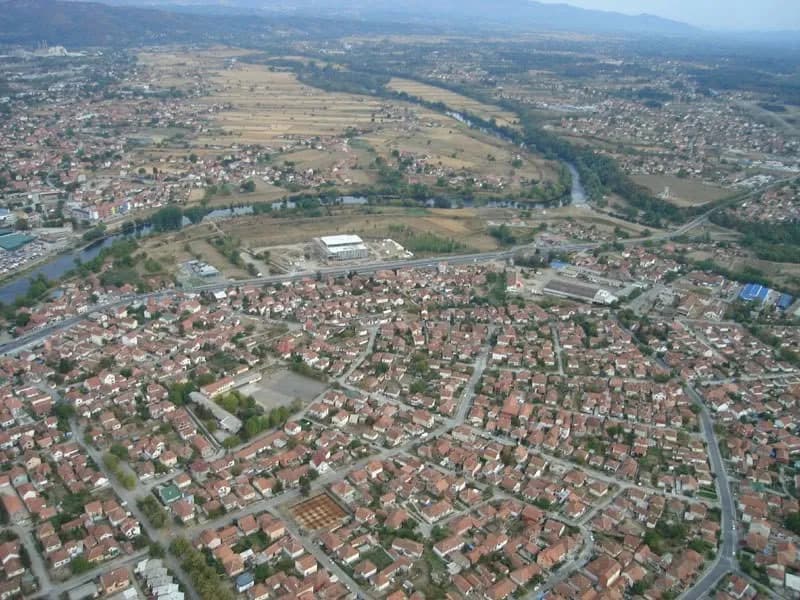
Water and the town today
The banks are what every river town has as an open question: how much they are used, how much they are maintained, and how accessible they are. Promenades, water access and places where swimming is allowed are not the same thing, and that distinction is often blurred.
For a visitor arriving for sport it has a practical meaning. A river is at its best when its access points are clearly marked and it is known where the exit from the water is — and that is the cheapest safety measure there is.
A river is read, not assumed
Three rivers also mean three different behaviours after the same rain. The Ibar reacts fast, because water from the mountain arrives within hours. The West Morava is late but rises longer and stays high. The Ribnica goes up and drops again before anyone notices.
For anyone going on the water that is practical information, not trivia. The level is checked before setting off, not remembered, and it is checked for the reach upstream of where you get in.
Muddy water is its own case. It does not only mean you cannot see the bottom; it means the river is carrying what it collected — branches, plastic, sometimes a whole tree. The first days after high water are not days to go out, however calm the surface looks.
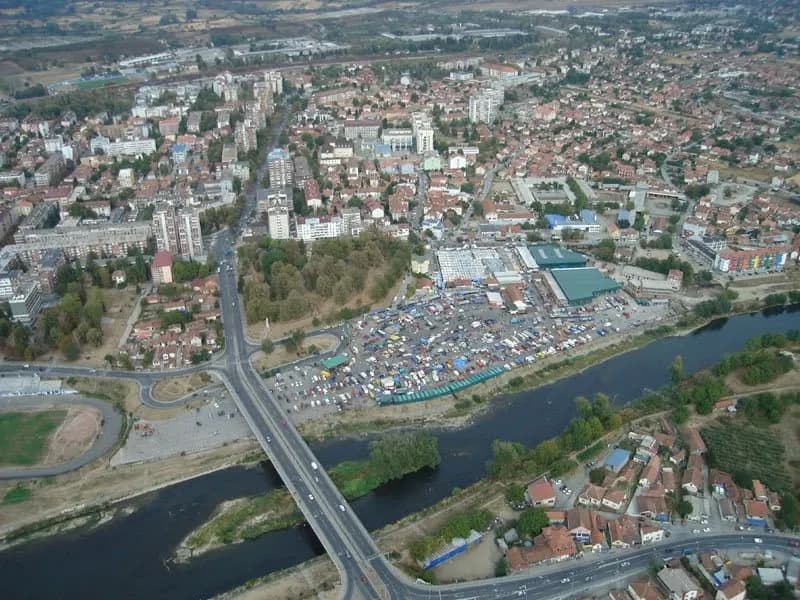
Why this matters for 4 Elements
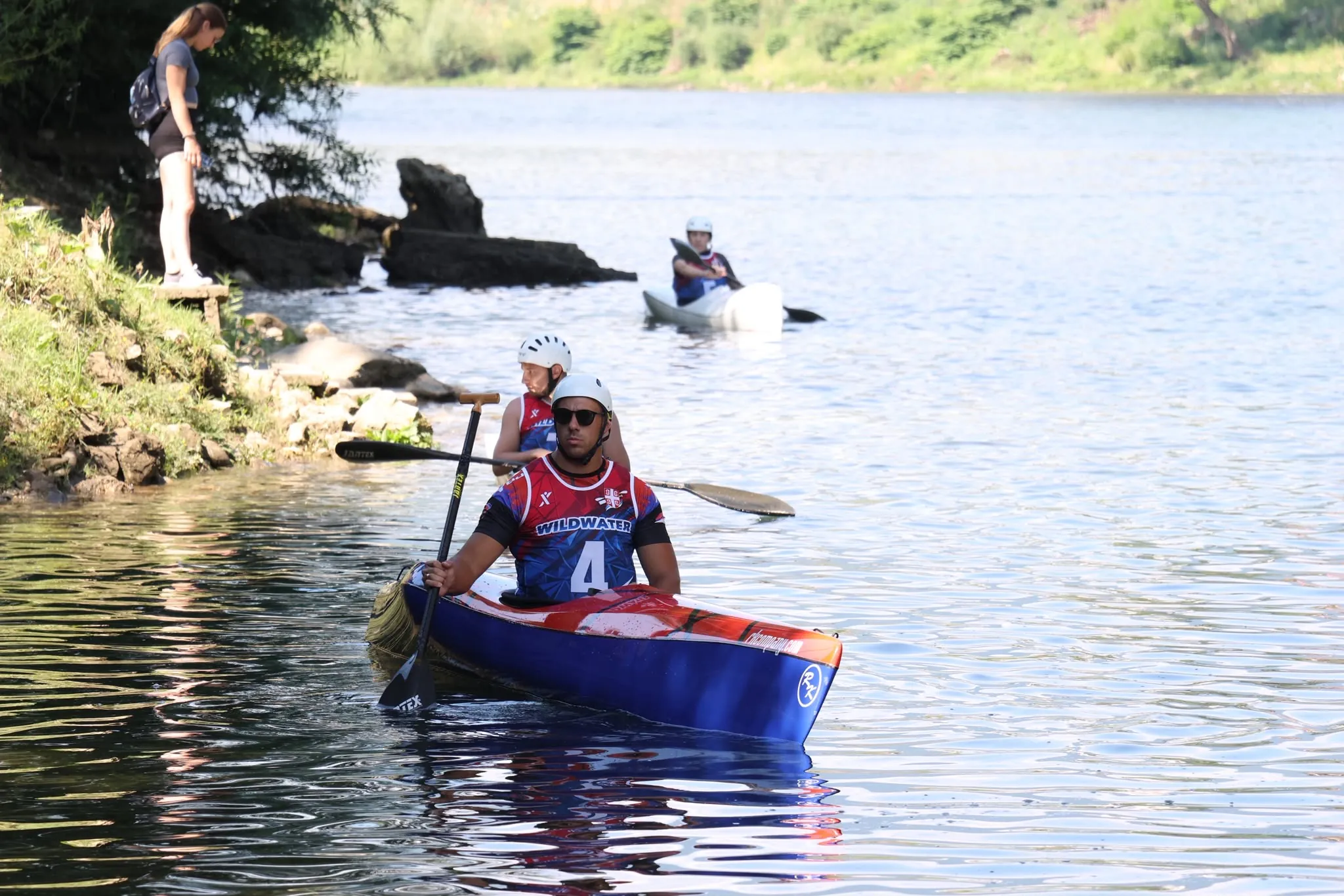
For 4 Elements this means the kayak stage is not an imported attraction but the continuation of something the town has done for decades.
A race arriving in a place without tradition has to bring everything with it — people, equipment, knowledge of the water. Here none of that is an import, and that difference shows in the organisation rather than in the marketing.
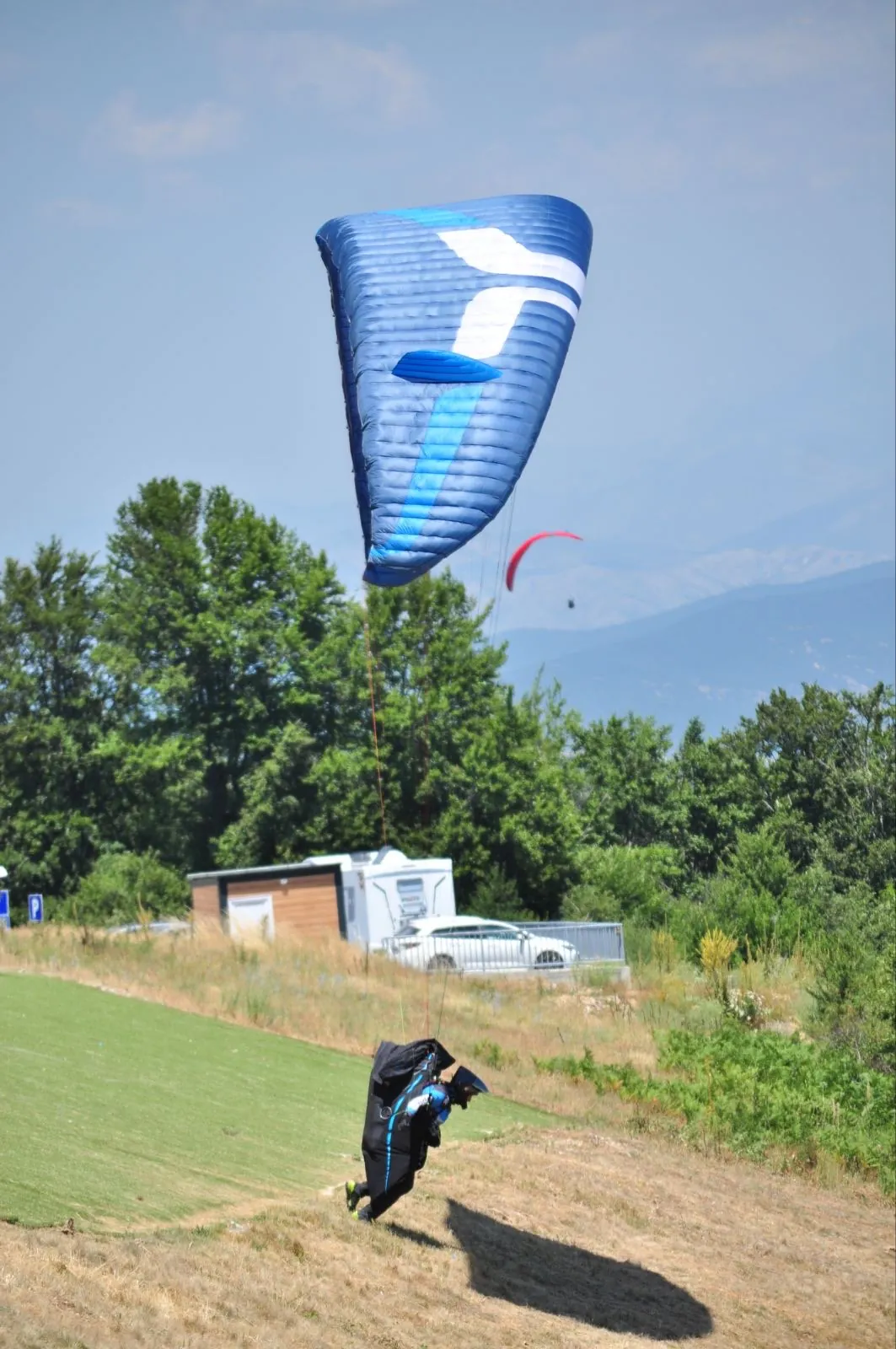
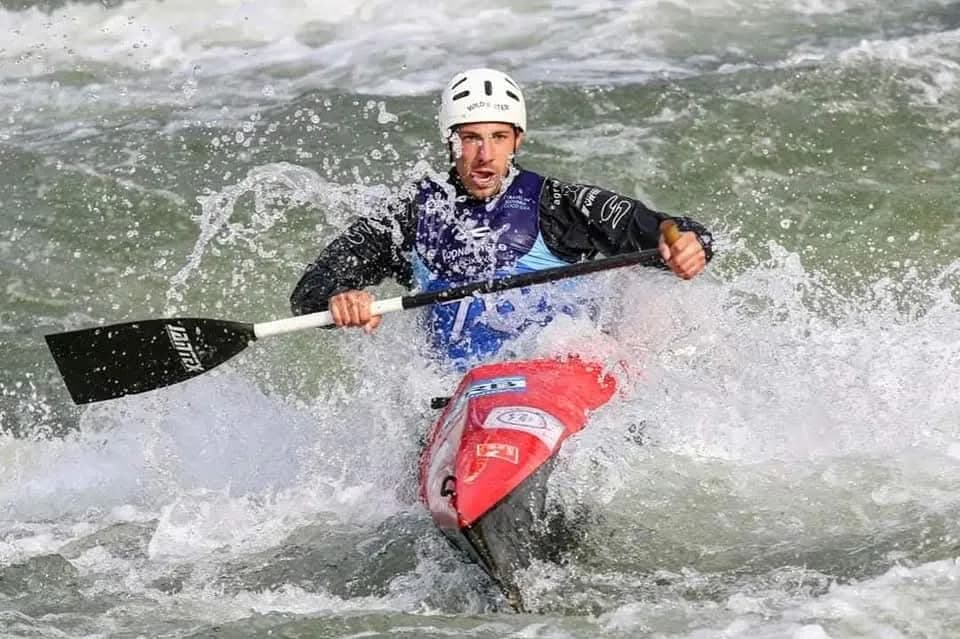
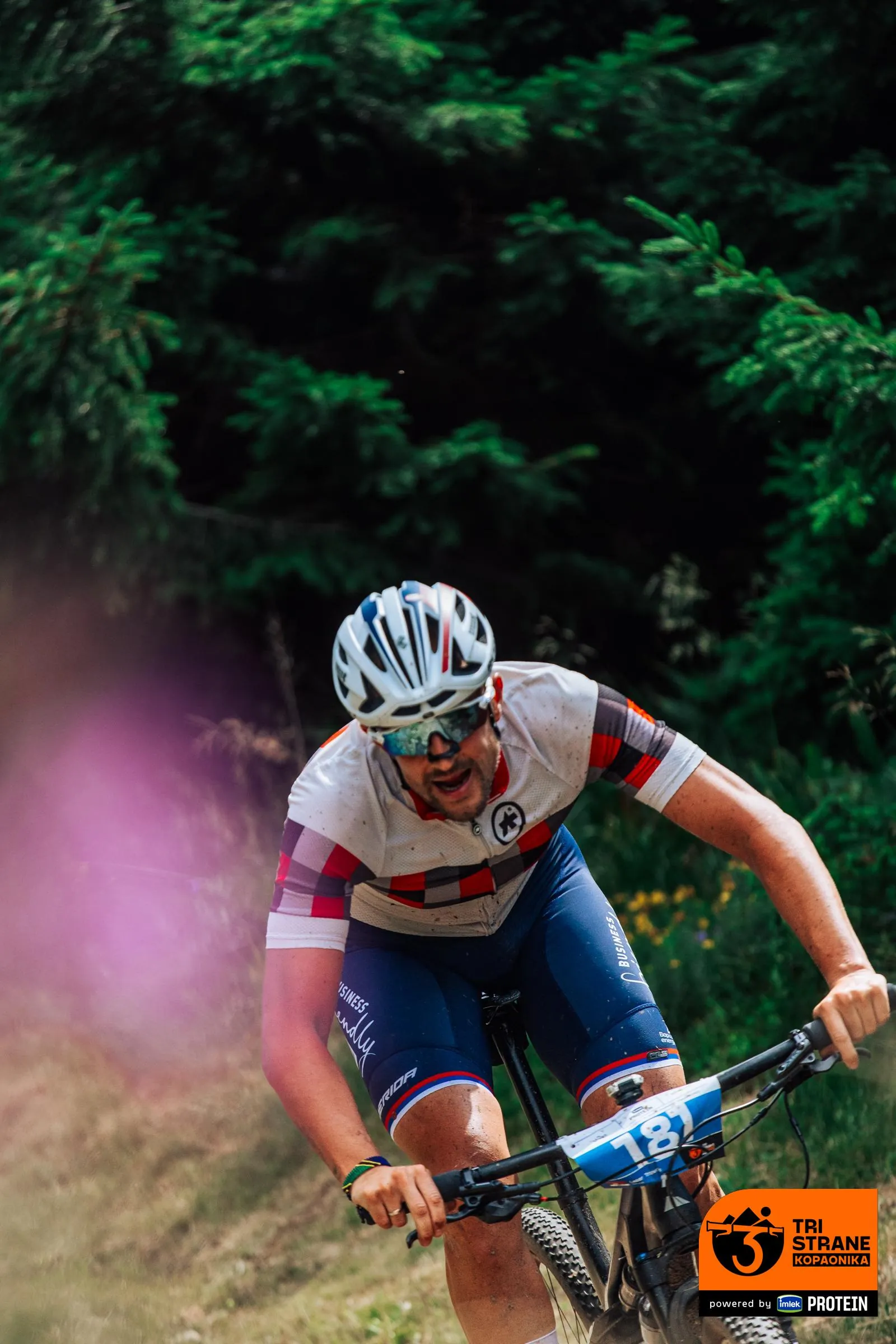
To be clear here too: swimming is not a 4 Elements discipline. The race has four elements — trail running, mountain biking, kayak and paragliding. These texts are a story about the town and its water.
The list of pools, clubs and sporting societies will be extended as details are confirmed.